Malaria in Children: What Every Parent Should Know
World Malaria Day – 25 April
Malaria remains a serious health concern in many parts of South Africa, particularly in lowveld regions such as Mpumalanga. As we observe World Malaria Day on 25 April, it’s an important opportunity to raise awareness about how malaria affects children, how to recognise the symptoms early, and—most importantly—how to prevent it.
What is Malaria?
Malaria is a life-threatening disease caused by parasites transmitted through the bite of an infected female Anopheles mosquito. Children under five years old are especially vulnerable, as their immune systems are not yet fully developed.
Why Are Children at Higher Risk?
Children are more likely to develop severe forms of malaria, which can progress rapidly and lead to complications such as:
- Severe anaemia
- Dehydration
- Breathing difficulties
- Cerebral malaria (affecting the brain)
Without prompt treatment, malaria in children can become fatal within a short period.
Signs and Symptoms to Watch For
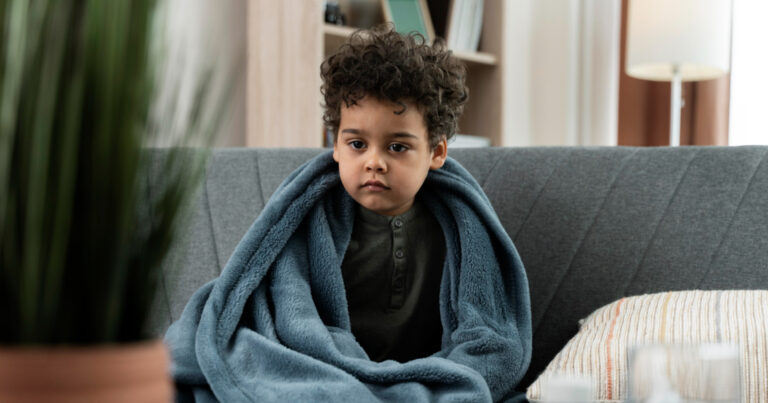
Malaria symptoms can sometimes resemble flu or other common illnesses, making early detection critical. Look out for:
- Sudden fever and chills
- Sweating
- Headache
- Vomiting
- Fatigue or unusual sleepiness
- Poor feeding (in younger children)
In severe cases:
- Confusion or seizures
- Difficulty breathing
- Persistent vomiting
If your child shows any of these symptoms—especially if you live in or have recently travelled to a malaria-risk area—seek medical attention immediately.
Prevention: Your First Line of Defence
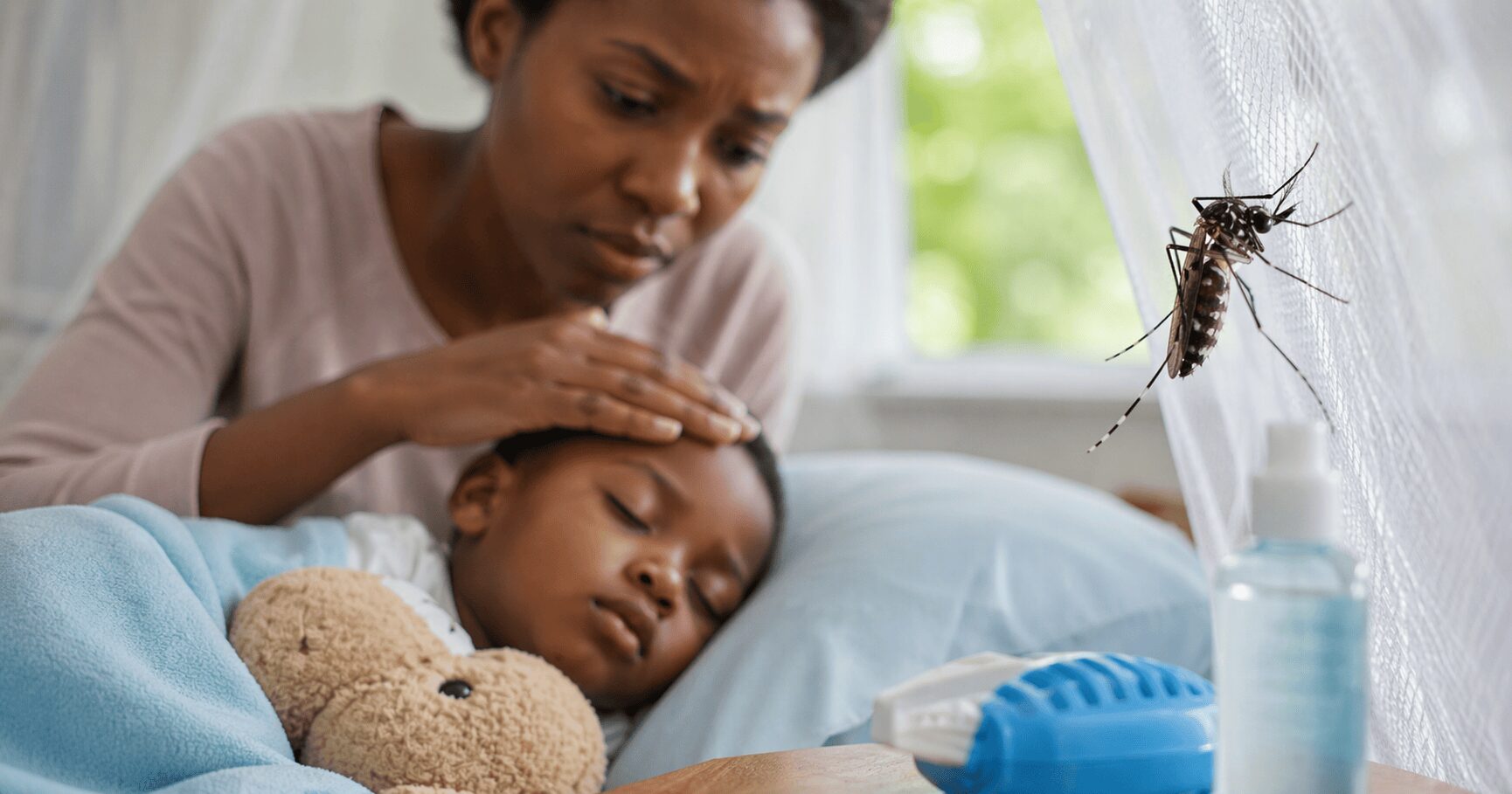
Preventing mosquito bites is key to reducing the risk of malaria. Practical steps include:
- Using child-safe mosquito repellents
- Dressing children in long sleeves and pants, especially at dusk and dawn
- Sleeping under mosquito nets
- Keeping windows and doors closed or screened
- Using indoor insect sprays or vapourisers
If you are travelling to a malaria area, consult your healthcare provider about preventative medication for your child.
Treatment and Early Action
Malaria is treatable, especially when diagnosed early. If malaria is suspected, a simple blood test can confirm the diagnosis. Prompt treatment with antimalarial medication is highly effective and can prevent complications.
A Shared Responsibility
World Malaria Day reminds us that malaria prevention is a community effort. Protecting children starts with awareness, vigilance, and timely care. By taking the right precautions and recognising symptoms early, we can significantly reduce the impact of malaria on our children and communities.
When to Seek Help
Do not delay seeking medical care if:
- Your child has a fever and has been in a malaria-risk area
- Symptoms worsen quickly
- Your child is unusually drowsy, irritable, or not feeding
Early intervention saves lives.