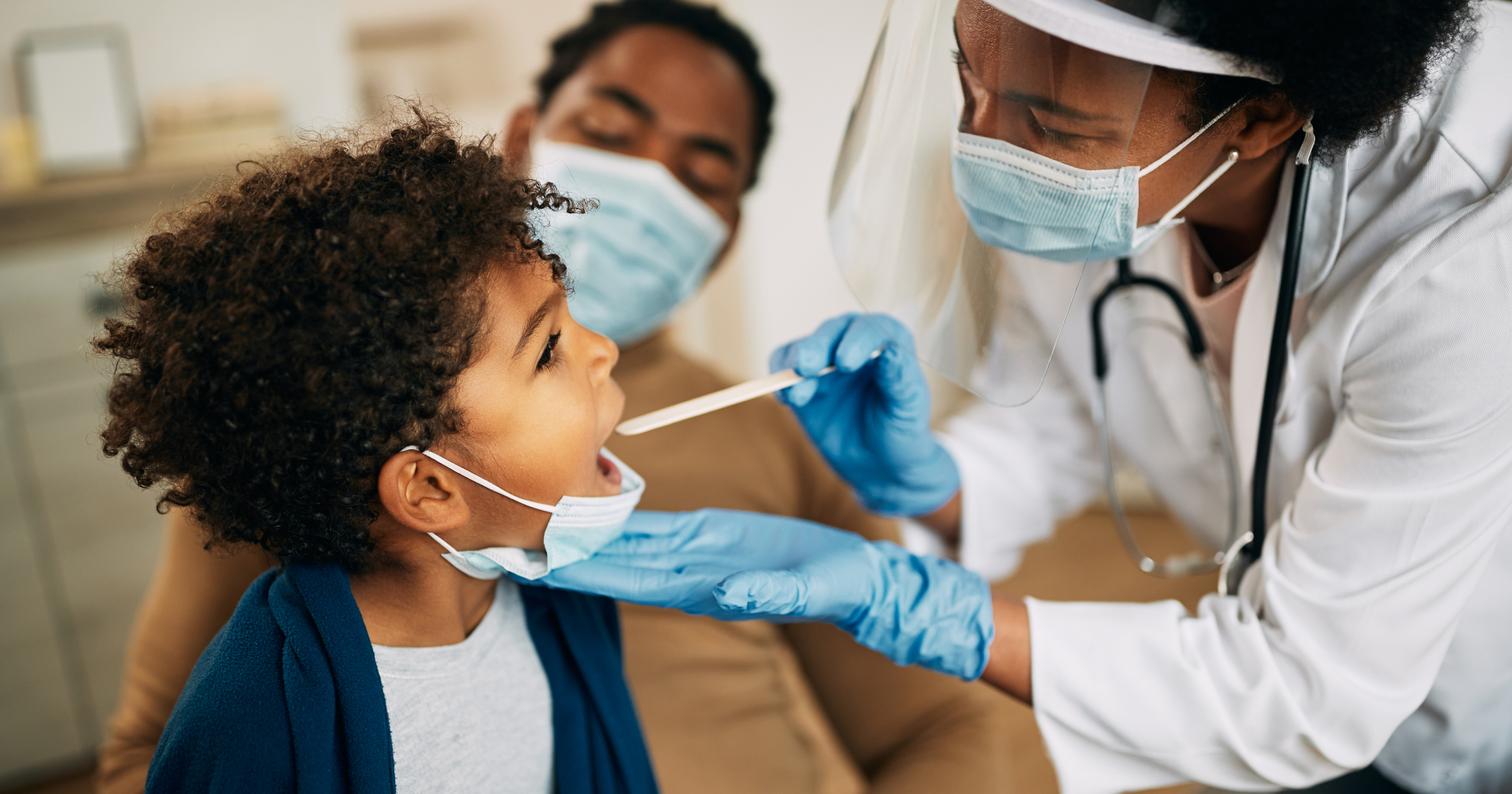
Understanding Measles: What Parents Need to Know
Measles is a highly contagious viral infection that spreads quickly, especially among children. It typically presents with fever and a characteristic rash, and can lead to serious complications if not prevented.
Why Measles Happens – and Who Is at Risk
A strong immune response is key to preventing measles. Immunity develops either after having the illness or through vaccination. Vaccination is particularly important because it not only prevents infection but also protects against severe complications, including encephalitis (inflammation of the brain).
Children who are not yet vaccinated or too young to be vaccinated, as well as anyone with weakened immunity, are most at risk.
How Measles Spreads
Measles spreads through tiny droplets from an infected person’s saliva or mucus – for example, through coughing, sneezing, or close contact. Because it is extremely infectious, even brief exposure can lead to illness in someone who is not immune.
Signs and Symptoms: When to Worry
Seek medical advice if your child develops:
- High fever, runny nose, and red eyes (conjunctivitis)
- A rash that starts on the face/head and spreads down the body
- White spots inside the mouth (Koplik spots)
- The classic “3 C’s”: Cough, Coryza (runny nose), and Conjunctivitis
- Poor feeding, ongoing fever, vomiting or diarrhoea, or signs of dehydration
The measles rash is made up of small, red, flat spots that spread downwards. It is not blistering, itchy, or painful.
Diagnosis
Measles may be suspected in a child with:
- Fever
- The typical spreading rash
- The “3 C’s”
- Recent exposure to someone with confirmed measles, especially if the child is not vaccinated
Because the rash can resemble other viral infections (such as Rubella), the diagnosis must be confirmed with a blood test. Measles is a notifiable disease, meaning public health officials are alerted to help prevent outbreaks.
Treatment and Home Care
There is no specific antiviral treatment for measles. Management focuses on:
- Controlling fever
- Keeping your child well-hydrated
- Ensuring adequate rest and nutrition
To reduce the spread, we try to limit exposure to other children, and hospital admission is reserved for severe cases or complications.
Prevention Is Key
The most effective way to prevent measles is through vaccination, which provides lifelong immunity and protects children from severe complications. Ensuring your child is up to date with their immunisations keeps them safe and helps protect the broader community.
If you are worried or unsure, please contact ProPaeds Paediatricians – we’re here to help.